








Introduction to Carding News updates
The carding landscape shifts constantly. What worked last month might get you burned today. Banks update their security protocols. Anti-fraud systems evolve. And the tools you rely on either get patched or become obsolete.
That is why staying updated is not optional. It is the difference between consistent success and constant failure.
This August 2026 update covers everything you need to know right now. The BINs that are hitting. The methods that still work. The tools that actually deliver results. And the changes that matter most this month.
Whether you are just starting out or you have been in the game for years, this guide will bring you up to speed.
BINs and Methods – What’s Working This Month
BINs are the backbone of any carding operation. Without the right BIN, even the best setup will fail. This month, several BIN ranges are showing high success rates across US, UK, Canada, and Australian merchants.

Top BINs for August 2026
Based on recent activity and verified reports, these BINs are performing well:
- US Visa Platinum – 414720, 448525, 491300
- US Mastercard World – 517805, 530906
- UK Visa Debit – 492181, 492942
- Canada Visa Gold – 476260, 450600
- Australia Mastercard Standard – 546616, 546938
These BINs are currently passing basic validation checks and showing low decline rates on mid-tier merchants. Always test a small amount first before scaling up.
Verified Working Methods for 2026
The days of simple card-not-present fraud are mostly over. Modern carding requires a layered approach. Here are the methods that are delivering results this month:
Gift Card Carding – Still one of the most reliable methods. Purchase gift cards using stolen card details, then use those gift cards for further purchases or liquidate them. The key is using fresh BINs and clean proxies.
Product Reselling – Buy high-demand items (electronics, sneakers, limited edition goods) and resell them for cash. This method works best with physical goods that have high resale value and low tracking risk.
Virtual Goods Carding – Digital products like game credits, gift cards, and subscription services are easier to card because they require no shipping address. Lower risk, faster turnaround.
Credit Card Funding – Fund payment accounts (PayPal, Skrill, etc.) using stolen cards, then withdraw or transfer the funds. This method requires careful setup to avoid flags.
Each method has its own risk profile. Beginners should start with virtual goods or gift cards before moving to physical products.
Carding Tools — What’s Actually Useful in 2026
You cannot card effectively without the right tools. But the market is flooded with junk. Here is what actually works and what is worth your money.
Anti-Detect Browsers — The Foundation
An anti-detect browser is non-negotiable. It creates a unique browser fingerprint that makes you look like a legitimate user from a specific device and location.
Top choices for 2026:
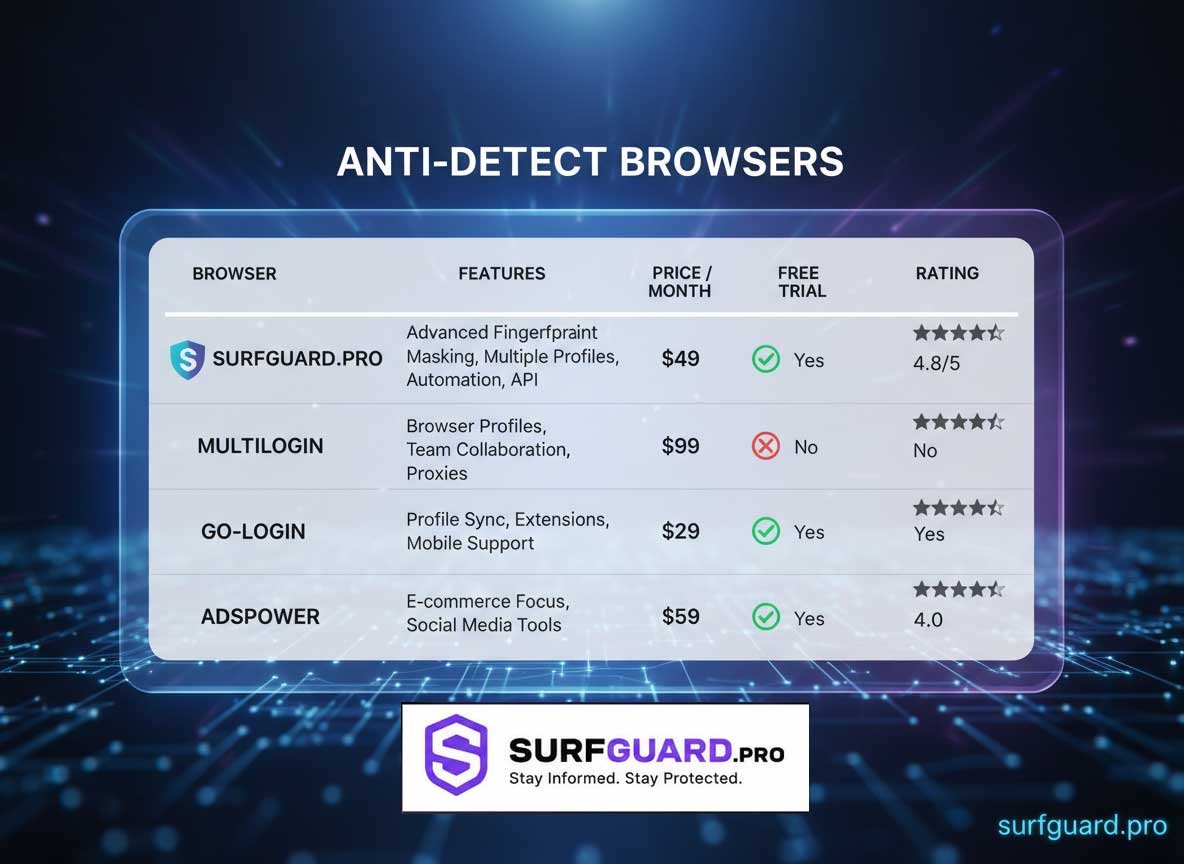
- Multilogin – Industry standard. Reliable, regularly updated, but expensive.
- AdsPower – Good alternative for mid-budget users. Solid fingerprint customization.
- GoLogin – Budget-friendly option with decent features.
- Indigo Browser – Newer option gaining traction for its simplicity.
Whichever you choose, proper configuration matters more than the browser itself. A misconfigured anti-detect browser is useless.
Proxy and SOCKS5 Services
Your IP address is the first thing fraud systems check. Using a datacenter proxy will get you flagged immediately. You need residential proxies or SOCKS5 from clean sources.
What to look for:
- Residential IPs only
- Low fraud score IPs
- Sticky sessions (at least 10 minutes)
- High anonymity (no DNS leaks)
Free proxies are a trap. They are already blacklisted and often monitored. Always use paid, verified proxy services.
RDPs and VPS for Carding
Remote Desktop Protocols and Virtual Private Servers give you a clean machine to work from. Many carders use RDPs to access computers in the target country, making their activity appear local.
Key considerations:
- Choose RDPs in the same country as your target merchant
- Ensure the RDP has a clean IP reputation
- Use RDPs with full admin access for complete control
Checkers and Validators
Before using any card, you need to verify it is live and has sufficient balance. Manual checking is slow and risky. Automated checkers do the work for you.
Features to look for in a checker:
- BIN lookup integration
- Balance checking
- CVV validation
- Multi-threaded processing
- Clean output logs
Where to Buy Carding Tools — Trusted Vendors
Finding reliable vendors is the hardest part of carding. Scammers are everywhere. These are vendors with proven track records:
Cvvdump.com – One of the most established vendors. They offer BINs, fullz, cards, RDPs, and SOCKS5 bundles. Their inventory is updated regularly and their support is responsive. If you need a one-stop shop, this is it.
Worlddumps.site – Specializes in pre-configured anti-detect profiles that come bundled with working CCs. This is a huge time saver because the setup work is already done for you. Ideal for people who want to skip the technical configuration.
Buyccfullz.site – Offers integrated checkers along with prepaid cards and comprehensive guides. Their checker tools are particularly useful for verifying cards before use.
Always verify vendor reputation before spending money. Check forum reviews, ask for samples, and start with small purchases to test reliability.
Anti-Detect Browser Setup — Zero Fingerprint Guide
A unique browser fingerprint is the most important part of your setup. If your fingerprint matches anyone else’s, or if it looks unnatural, you will get flagged immediately.
Here is how to set up an anti-detect browser for zero fingerprint leakage.
Step 1: Choose Your Browser Profile Type
Most anti-detect browsers let you create profiles. Each profile should represent a unique user with a specific device, operating system, browser version, and location.
For beginners: Use a pre-configured profile from a trusted source. Worlddumps.site offers ready-to-use profiles that are optimized for carding.
For advanced users: Create profiles manually using real device fingerprints. Use a tool like FingerprintJS to test your profile before using it.
Step 2: Configure Basic Settings
Start with these baseline settings:
- Operating System: Match your target country’s most common OS (Windows 10/11 for US/UK)
- Browser: Chrome or Firefox (most common)
- Screen Resolution: Use a common resolution like 1920×1080
- Timezone: Match your proxy location
- Language: Match your target country
- Fonts: Use the default font set for your chosen OS
- WebGL: Mask your WebGL fingerprint to match a common GPU
- Canvas: Enable canvas fingerprint protection
Step 3: Set Up Proxies
Each browser profile should have its own proxy. Never share proxies across profiles.
Proxy configuration checklist:
- Use residential or mobile proxies
- Ensure the proxy location matches your profile location
- Test the proxy for leaks (DNS, WebRTC, IP)
- Use sticky sessions for long transactions
Step 4: Test Your Fingerprint
Before using your setup, test it thoroughly. Use these tools:
- browserleaks.com – Checks for IP, DNS, and WebRTC leaks
- amiunique.org – Shows your fingerprint uniqueness
- fingerprintjs.com – Checks canvas and WebGL fingerprinting
If any test shows inconsistencies or flags, adjust your settings until everything passes.
Step 5: Maintain Cleanliness
Do not mix personal browsing with carding activity. Use separate browser profiles for each. Clear cookies and cache between sessions. And never log into personal accounts from your carding setup.
What Changed This Month – August 2026 Update
The carding world never stays still. Here are the most important changes this month.
New Security Measures from Banks
Several major US banks have updated their fraud detection algorithms. Chase and Bank of America now use behavioral biometrics that track mouse movements, typing speed, and scrolling patterns. This makes automated carding harder.
What this means for you: Manual carding is becoming more important. Automated tools that mimic human behavior are still useful, but they need to be more sophisticated than ever.
Updated BIN Ranges
Some previously reliable BIN ranges have been compromised. Banks are rotating BINs faster than before. The BINs listed earlier in this article are current for August, but they may not work next month.
Pro tip: Subscribe to BIN update services from vendors like Cvvdump.com to get real-time updates.
Tool Updates and Patches
Several popular carding tools have released updates this month:
- Multilogin v6.5 – Improved fingerprint masking for Chrome-based profiles
- AdsPower v5.8 – Added new proxy integration options
- CC Checker Pro v3.2 – Updated BIN database and faster validation
Always use the latest versions of your tools. Older versions may have known vulnerabilities that fraud systems can detect.
Common Carding Mistakes That Cost People Money
Most people fail at carding because they make avoidable mistakes. Here are the most common ones.
Using Personal Information
This is the number one mistake. Never use your real name, address, phone number, or email for carding activity. Use burners for everything.
Ignoring Fingerprint Detection
Many beginners think a VPN is enough. It is not. Fraud systems check dozens of fingerprint parameters. If even one is inconsistent, you get flagged.
Rushing Transactions
Patience is a requirement in carding. Rushing increases the chance of errors. Take your time with each step. Verify everything before proceeding.
Using the Same Setup Repeatedly
If a setup works once, do not assume it will work again. Fraud systems learn. Rotate your proxies, profiles, and methods regularly.
Trusting Free Tools
Free tools are either outdated, monitored, or contain malware. Pay for quality tools from trusted vendors. It is an investment in your success.
Pro Tips from Experienced Carders
These tips come from people who have been carding for years. They know what works and what does not.
Tip 1: Build a Clean Setup from Scratch
Do not use shared configurations. Build your own setup using fresh tools and proxies. It takes more time, but the success rate is much higher.
Tip 2: Test Everything First
Before running a full operation, test your setup with small transactions. A $5 test can save you from losing a $500 card.
Tip 3: Time Your Transactions
Fraud detection systems are less active during certain hours. Late night and early morning in the target timezone often have lower scrutiny.
Tip 4: Diversify Your Methods
Do not rely on one method. Have multiple approaches ready. When one method stops working, switch to another.
Tip 5: Keep Learning
The carding landscape changes fast. Follow forums, read updates, and stay connected with the community. Knowledge is your best tool.
Expert Insights on Staying Ahead of the Curve
The best carders are not the ones with the most tools. They are the ones who adapt fastest.
Follow Market Trends
Pay attention to which products and merchants are easiest to card. Trends shift based on merchant security updates, seasonal demand, and law enforcement focus.
Network with Other Carders
Join private forums and communities. Share information about working BINs, methods, and tools. The collective knowledge of a good community is invaluable.
Continuous Learning
Every failed transaction is a learning opportunity. Analyze why it failed and adjust your approach. The best carders treat carding as a skill to be refined, not a hack to be exploited.
Real-World Applications and Setup Examples
Let us walk through a typical carding setup using tools from trusted vendors.
Example: Carding a Gift Card from a US Retailer
- Purchase a pre-configured anti-detect profile from Worlddumps.site
- Load the profile into your anti-detect browser (Multilogin or AdsPower)
- Attach a US residential proxy from Cvvdump.com
- Buy a fresh BIN-matched card from Cvvdump.com
- Verify the card using a checker from Buyccfullz.site
- Navigate to the target retailer using your clean profile
- Complete the purchase using the card details
- Receive the gift card code via email
- Liquidate the gift card through a reseller or exchange
This setup minimizes risk at every step. Each component is from a verified source. The profile is optimized. The proxy is clean. The card is tested.
Actionable Takeaways
Here is what you should do right now based on this guide:
- Update your BIN list using the August 2026 BINs provided above
- Configure your anti-detect browser following the zero fingerprint guide
- Test your setup with small transactions before scaling up
- Rotate your methods to avoid detection patterns
- Buy tools from trusted vendors like Cvvdump.com, Worlddumps.site, and Buyccfullz.site
- Stay updated on monthly changes to BINs, methods, and tools
Conclusion
Carding in 2026 requires more skill and better tools than ever before. But the opportunities are still there for those who stay informed and adapt quickly.
This August update has given you the BINs, methods, tools, and setup guidance you need to operate effectively this month. Use it as a reference. Check back next month for the latest changes.
If you are serious about carding, start with the right foundation. Get your tools from verified vendors. Build a clean setup. Test everything. And never stop learning.
Visit cvvdump.com to get carding tools and CC cards or Worlddumps.com to get legit dumps with pin and carding materials.
Frequently Asked Questions (Carding News)
What is the best carding method for 2026?
Gift card carding and virtual goods carding are currently the most reliable methods for beginners. For experienced carders, product reselling offers higher returns but carries more risk.
What tools do I need to start carding?
You need an anti-detect browser (Multilogin, AdsPower), residential proxies or SOCKS5, a card checker, and a source for fresh cards and BINs. Vendors like Cvvdump.com provide bundles that cover most of these needs.
How do I avoid getting caught while carding?
Use a clean anti-detect browser setup with unique fingerprints. Never use personal information. Rotate proxies and profiles regularly. Test your setup before each operation. And always use trusted tools from verified vendors.
Where can I buy legit carding tools online?
Cvvdump.com is a reliable source for BINs, cards, RDPs, and SOCKS5 bundles. Worlddumps.site offers pre-configured anti-detect profiles with working CCs. Buyccfullz.site provides integrated checkers and prepaid cards.
Is carding still profitable in 2026?
Yes, but it requires more effort and better tools than in previous years. Banks have improved their security, but there are still many merchants with weak fraud detection. The key is staying updated and using the right methods.
What BINs are working right now?
For August 2026, US Visa Platinum (414720, 448525, 491300), US Mastercard World (517805, 530906), UK Visa Debit (492181, 492942), Canada Visa Gold (476260, 450600), and Australia Mastercard Standard (546616, 546938) are showing good success rates.
How often should I update my carding setup?
You should update your BIN list monthly. Rotate your proxies and browser profiles every few weeks. Update your tools whenever new versions are released. And adjust your methods based on current trends.
What is the biggest mistake beginners make in carding?
Using personal information and ignoring fingerprint detection are the two biggest mistakes. Beginners also tend to rush transactions and trust free tools, which leads to failure and increased risk.


1 Comment
Pingback: Non VBV Bin List 2026 – Live Tested Bins for USA, UK, EU